
Great design is more than aesthetics—it’s about creating spaces that serve, inspire, and uplift communities. The Community-Centered Design (CCD) Course, by D4C and the Order of Engineers and Architects in Lebanon, is an immersive learning experience that equips participants to shape the built environment with purpose and impact.
In a world where urban and rural landscapes are rapidly evolving, the role of designers extends beyond buildings—it’s about listening, collaborating, and responding to the needs of people.
Through expert-led discussions, interactive workshops, and real-world case studies, you’ll develop the skills to design with and for communities, exploring participatory design, sustainability, and heritage preservation.
Whether you’re a student, professional, or passionate about social impact, CCD challenges you to think critically, act responsibly, and design for a more inclusive and sustainable world.
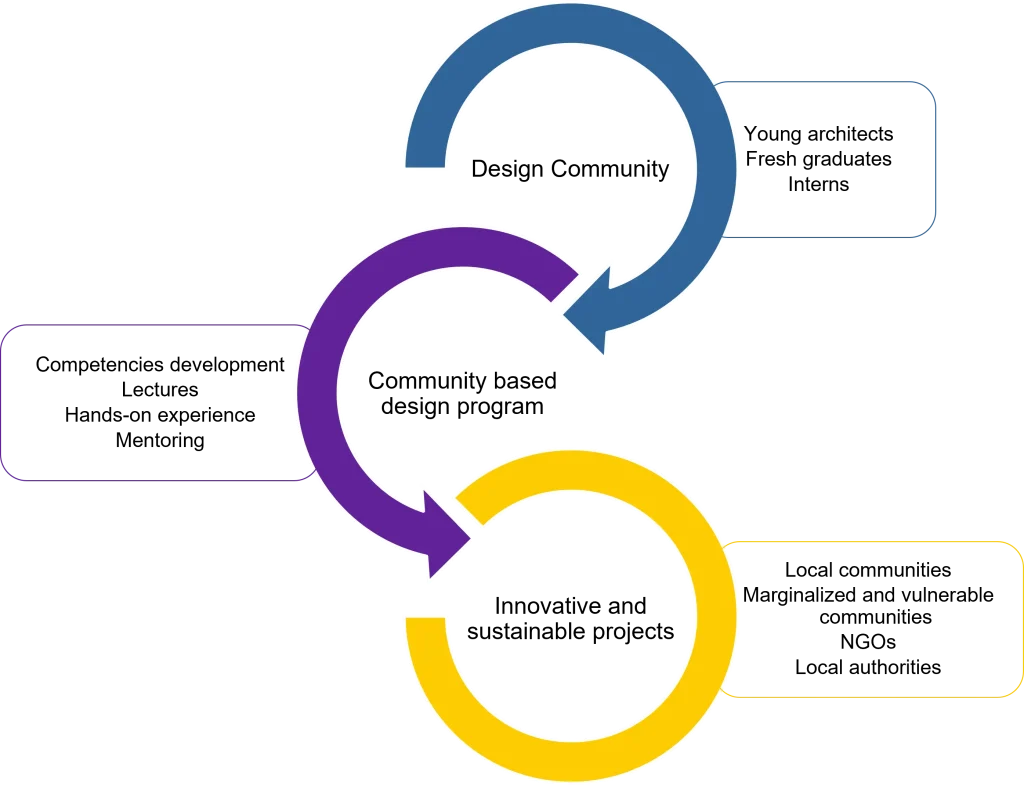
The Community-Centered Design (CCD) Course equips participants with the knowledge, methodologies, and practical skills necessary to design spaces that respond to real community needs. Through interactive sessions, expert-led discussions, and fieldwork, participants will learn how to engage communities, develop impactful designs, and apply sustainable strategies.
Join us in shaping spaces that bring people
together and create lasting change!

Students and graduates in architecture, interior, landscape and urban design

Professionals interested in community-centered design
NGOs and social impact practitioners

Anyone passionate about making a difference though design
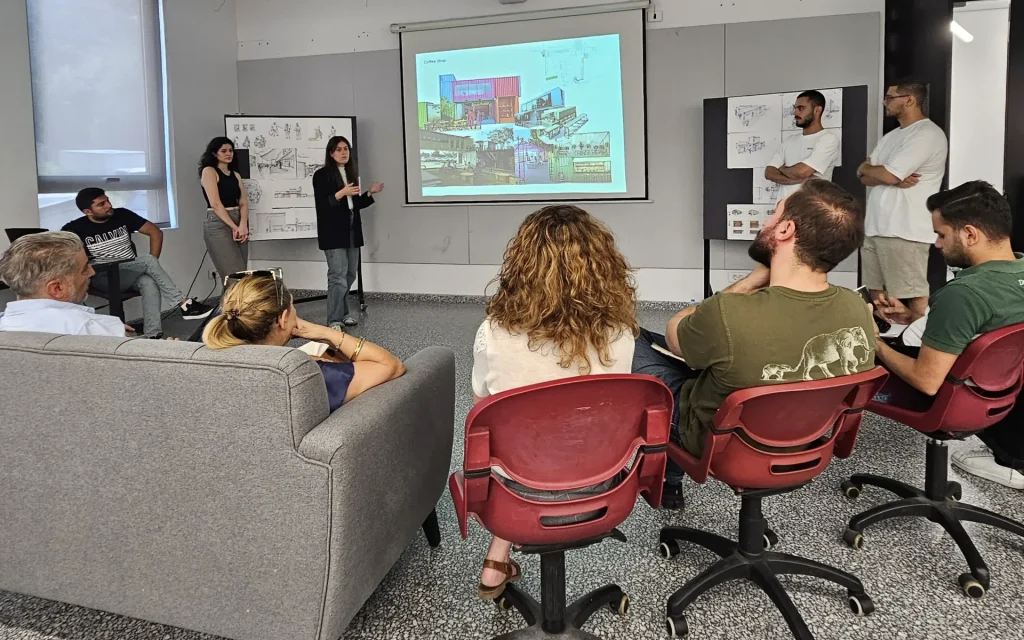
12 Workshops to become a socially responsible architect
Transforming Spaces: Principles of Community-Centered Design
Explore the core principles and methodologies of community-centered design, equipping participants with the knowledge and strategies to create impactful and responsive spaces.
Building Bridges: Empowering Communities through Participation
Learn how to assess community needs, engage stakeholders effectively, and measure the impact of participatory design approaches in real-world contexts.
Reimagining public spaces: Heritage and Innovation in Design
Examine the role of public space in urban and rural settings, integrating heritage preservation, landscape strategies, and innovative design to enhance community well-being.
Designing for Sustainable Futures: Eco-Friendly Strategies
Discover sustainable and climate-responsive design approaches, including environmental design principles, circular economy strategies, and human-centered ecological solutions.
Evaluating Change: Measuring Impact and Key Takeaways
Consolidate learning experiences, evaluate the impact of design interventions, and reflect on practical applications for future professional and community-based projects.
The course will be delivered in an interactive online format, twice a week for a duration of two months. Details will be announced soon. Stay connected.

Twice a week

Interactive online format

2 Months
|
📞 WhatsApp +961-70-943447 |
📧 Email info@d4communities.org |
|
📞 Phone +961-3-381081 +961-1-850111 ext. 1129 |
📧 Email oea-etc@oea.org.lb |
Invest in Your Skills and Community Impact!
The Community-Centered Design Course offers 12 expert-led workshops for just $250.
To register, please contact the Order of Engineers and Architects (OEA) directly:
📞 Phone:
📧 Email Support:
Further details—such as payment methods, confirmation steps, and additional information—are available through the registration link. Secure your spot by filling out the Google Form.
If you have any questions or need assistance with payments, feel free to reach out to the OEA.
Bank Transfer Details
Limited spots available — Details will be announced soon. Stay connected.
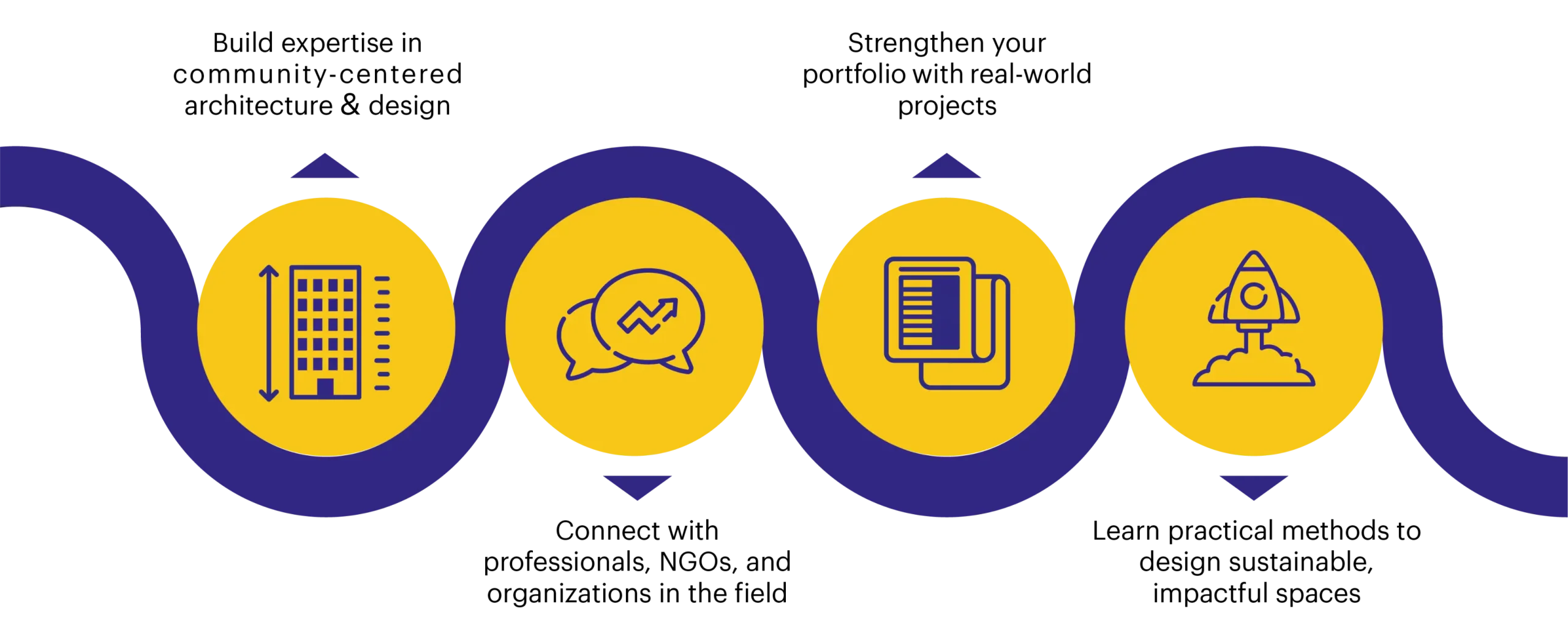
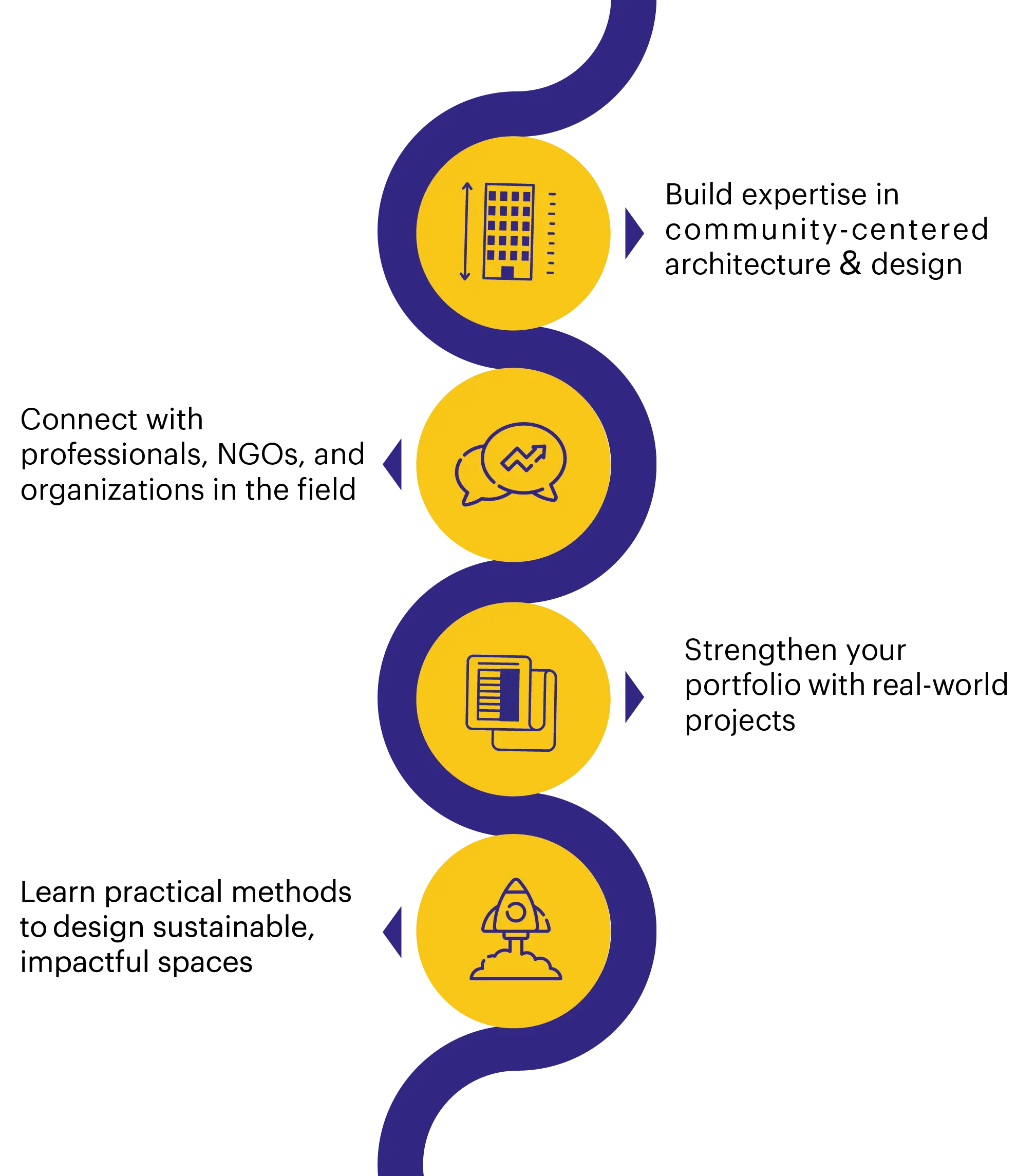
- Gain practical experience to design real-life community projects
- Learn from experts in architecture, design, heritage and sustainability
- Develop key skills in stakeholder engagement and participatory design
- Engage in projects that address real community needs
- Earn a certificate in Community-Centered Design D4C and the Order of Engineers and Architects in Lebanon
- Build your own project


Help Your Career?
Karim Najjar
Architect, D4C President
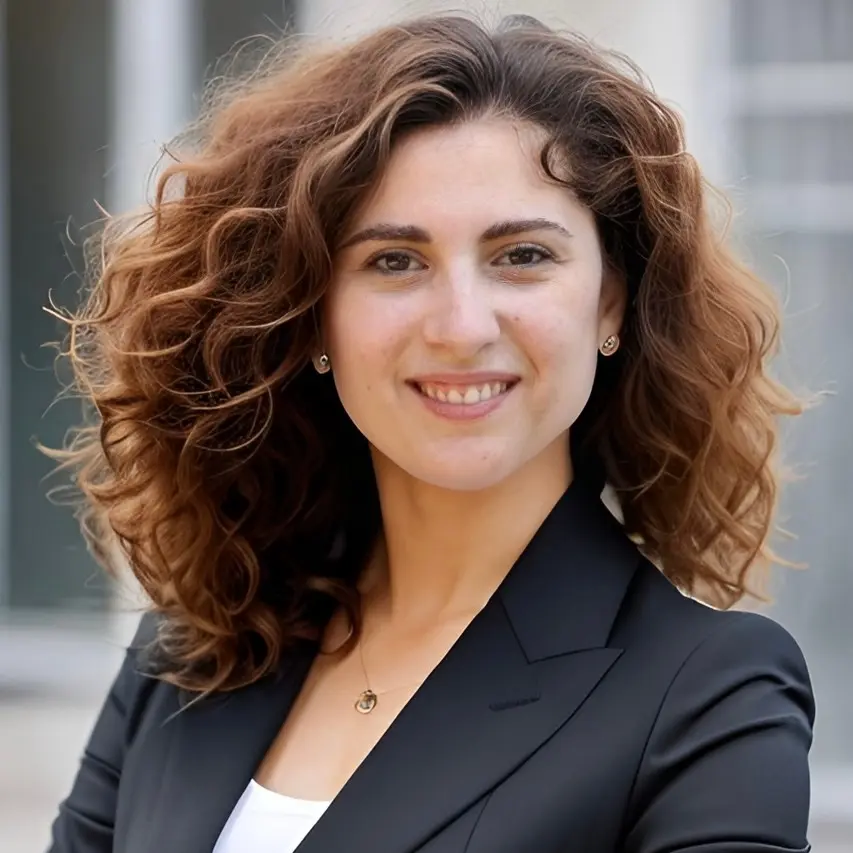
Sarah Rita Kattan
Community-Centered Design Expert

Farah Abi Mosleh
Community Engagement Expert

Nicholas Ghoulam
Rural & Sustainable Development Practitioner

Gulnar Wakim
Expert in Social Science and Public Spaces

Karim Bacha
Landscape architect and Urban Planner
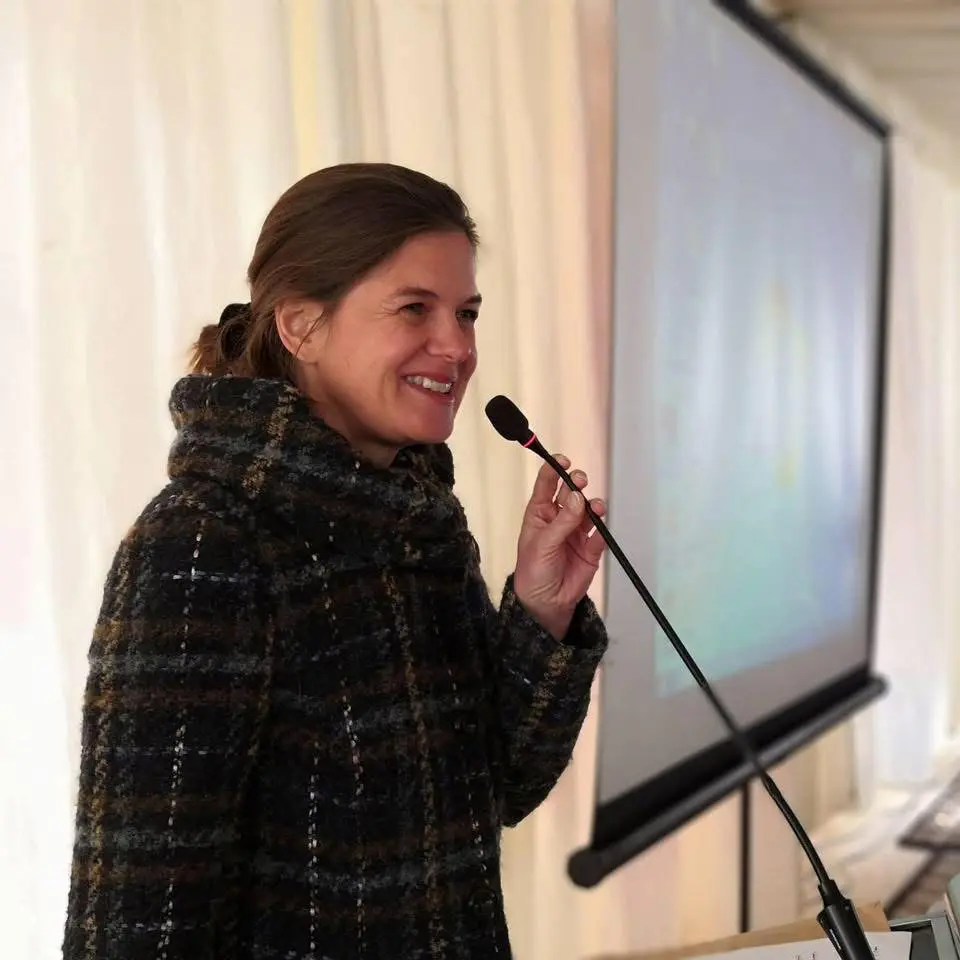
Julie Weltzien
Landscape Design Specialist
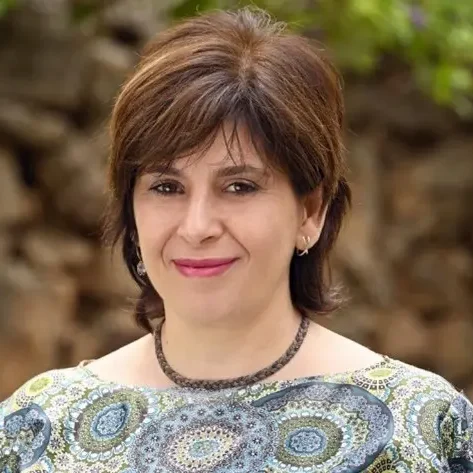
Joanne Bajali
Expert in Heritage Protection and Education

Ahmad Nouraldeen
Design and Sustainability Expert
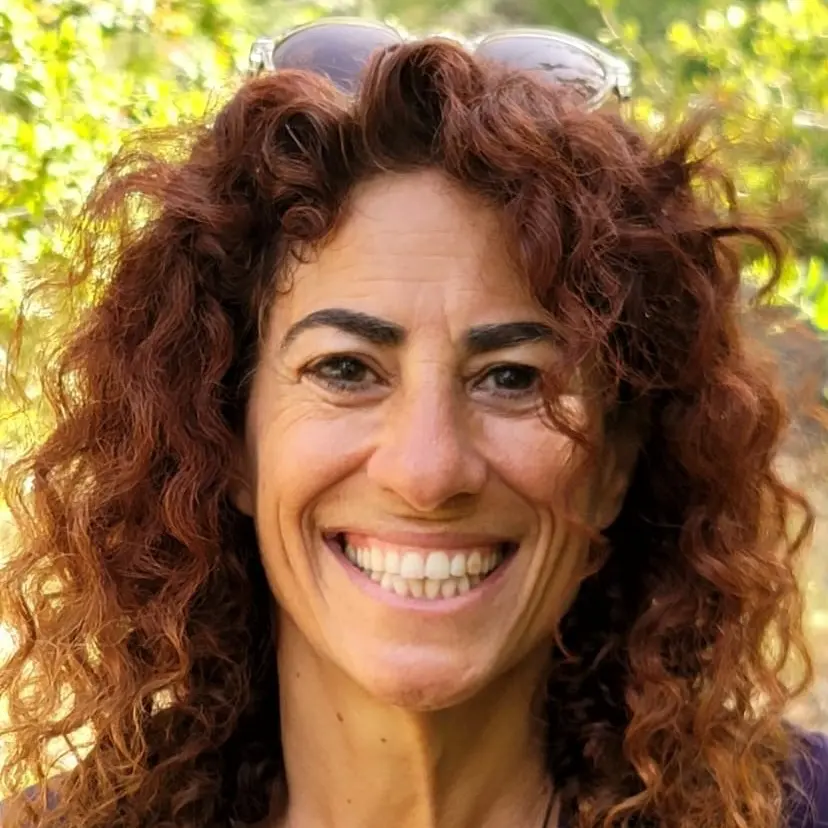
Maya Karkour
Environmental & Circular Economy Specialist
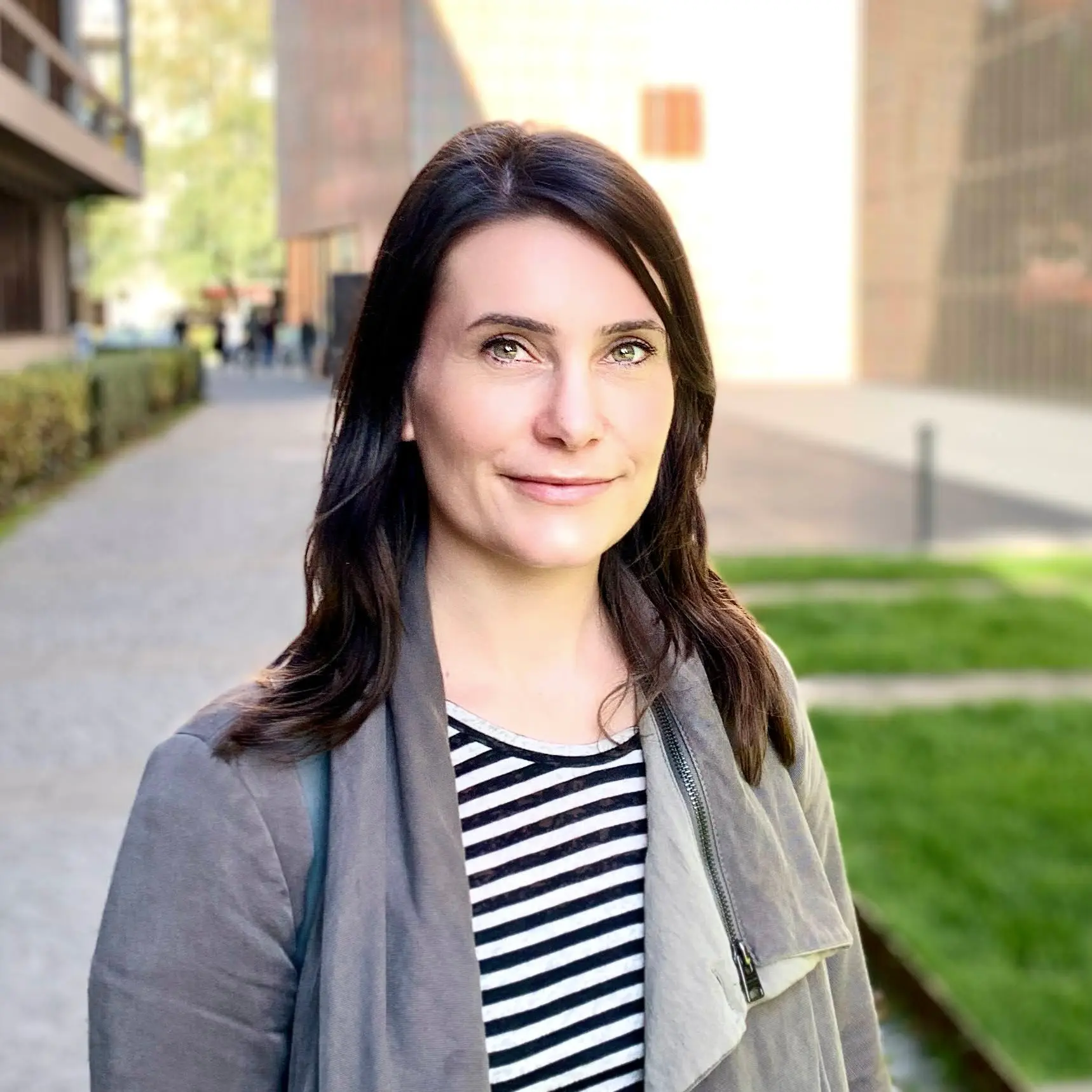
Melanie Fessel
Expert in Urban Design
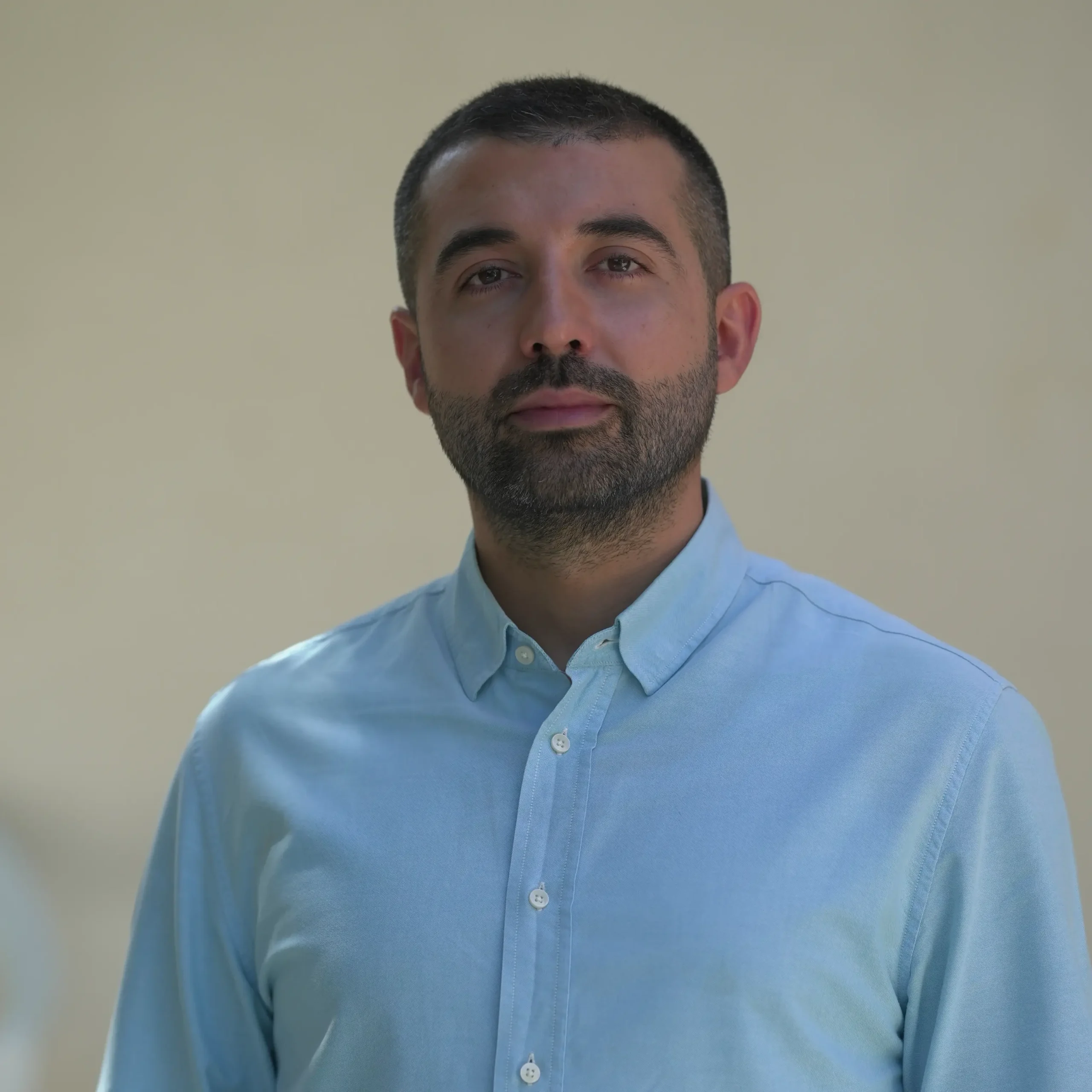
Nabil Mneimne
Sustainable Mobility Expert, UNDP
"I had the privilege of participating in theDesign for Communities mentoring program, which proved to be a pivotal experience in my architectural journey. As architects, we must be acutely aware of the impact our work has on people's lives and the communities we serve. D4C equipped me with essential strategies and methodologies to create designs that genuinely reflect the needs of the community.
Under the guidance of Karim and Sarah Rita, along with insightful guest speakers, we explored various case studies and engaged in interactive lessons that deepened our understanding of community-centric design.
I highly encourage all professionals in the architectural field to take part in this program. It's a chance to grow, learn, and make a real impact on the communities we design for."
"The Design for Communities course was an eye-opening experience that greatly expanded my knowledge and perspective on community-based design. It provided in-depth insights into key topics while encouraging interactive discussions that made learning engaging and dynamic. The course not only strengthened my understanding but also inspired me to adopt a more sustainable and thoughtful approach in my work. A truly valuable experience for anyone passionate about designing for people and the environment!"
"The Community-Centered Design course was an enriching experience that provided practical tools to engage communities effectively. It deepened my understanding of inclusive design and collaborative problem-solving. I highly recommend it to anyone looking to create a meaningful and sustainable impact."
Quality education, reduce inequality and sustainable cities are critical aspects of the Sustainable Development Goals (SDGs) set by the United Nations. These goals aim to provide inclusive and equitable quality education for all and make cities inclusive, safe, resilient, and sustainable.